Caring for the Body, Mind, and Spirit
Health is more than simply avoiding sickness. The Bible presents a holistic view of human well-being, reminding us that our physical body, mind, relationships, and spiritual life are deeply connected. While Scripture is not a modern medical textbook, it offers timeless principles that can guide us toward a healthier and more balanced life.
Our Bodies Are Worth Caring For
The Bible teaches that the body is valuable because it is part of God’s creation. In 1 Corinthians 6:19–20, Paul describes the body as a temple of the Holy Spirit and encourages believers to honour God with their bodies.
This can motivate us to take reasonable care of our physical health through nutritious food, adequate rest, physical activity, hygiene, and appropriate medical care. Caring for our bodies is not about pursuing perfection or appearance; it is about stewardship.
Food and Self-Control
Scripture frequently mentions food and teaches the importance of self-control. Proverbs 25:16 warns against excess, while Galatians 5:22–23 includes self-control among the fruits of the Spirit.
A biblical approach to eating does not require fear or guilt around food. Instead, it encourages gratitude, moderation, wisdom, and discipline. We can enjoy God’s provision while avoiding habits that consistently harm our health.
Rest Is Part of a Healthy Life
In a culture that often celebrates busyness, the biblical emphasis on rest is particularly relevant. God rested on the seventh day after creation (Genesis 2:2–3), and Jesus also recognised the need for His disciples to withdraw and rest (Mark 6:31).
Rest is not laziness. Sleep, recreation, quietness, and regular breaks can help us care for the bodies and minds God has given us.
Caring for Mental and Emotional Well-Being
The Bible takes human emotions seriously. Throughout the Psalms, people express grief, fear, loneliness, hope, joy, and anxiety honestly before God.
Philippians 4:6–7 encourages believers to bring their anxieties to God in prayer, while Psalm 55:22 invites us to cast our burdens on the Lord. These passages remind us that we do not have to carry every burden alone.
Prayer and faith can provide spiritual support, but seeking professional help when we are struggling is not a lack of faith. Wise care can include prayer, supportive relationships, counselling, and medical treatment when appropriate.
Healthy Relationships Matter
Our health is also influenced by the people around us. Proverbs 17:22 says that a cheerful heart is good medicine, highlighting the connection between emotional well-being and our outlook on life.
The New Testament repeatedly encourages believers to love, forgive, encourage, and support one another. Strong relationships can provide companionship, accountability, practical assistance, and encouragement during difficult seasons.
Avoiding Harmful Habits
Biblical wisdom also calls us to exercise self-control and avoid behaviours that enslave us. Ephesians 5:18 warns against drunkenness, and 1 Corinthians 6:12 teaches that we should not allow ourselves to become mastered by anything.
The broader principle is freedom: our choices should not control us. Healthy living sometimes means recognising destructive patterns and taking deliberate steps to change them, with the support of God and trusted people.
Faith, Hope, and Spiritual Health
Physical health is important, but Scripture places spiritual well-being at the centre of life. Jesus asks in Mark 8:36, “What good is it for someone to gain the whole world, yet forfeit their soul?”
Prayer, worship, Scripture, gratitude, repentance, fellowship, and trust in God can nurture spiritual health. They remind us that our identity and ultimate hope are not determined by our physical condition, appearance, age, or circumstances.
A Balanced Biblical Approach to Health
Biblical health is not a promise that faithful people will never become sick. The Bible contains many examples of people experiencing illness, suffering, and physical weakness. Rather, Scripture gives us principles for caring wisely for ourselves while trusting God with what we cannot control.
A healthy Christian life can therefore involve eating wisely, exercising, resting adequately, nurturing relationships, managing stress, seeking appropriate healthcare, and cultivating a strong relationship with God.
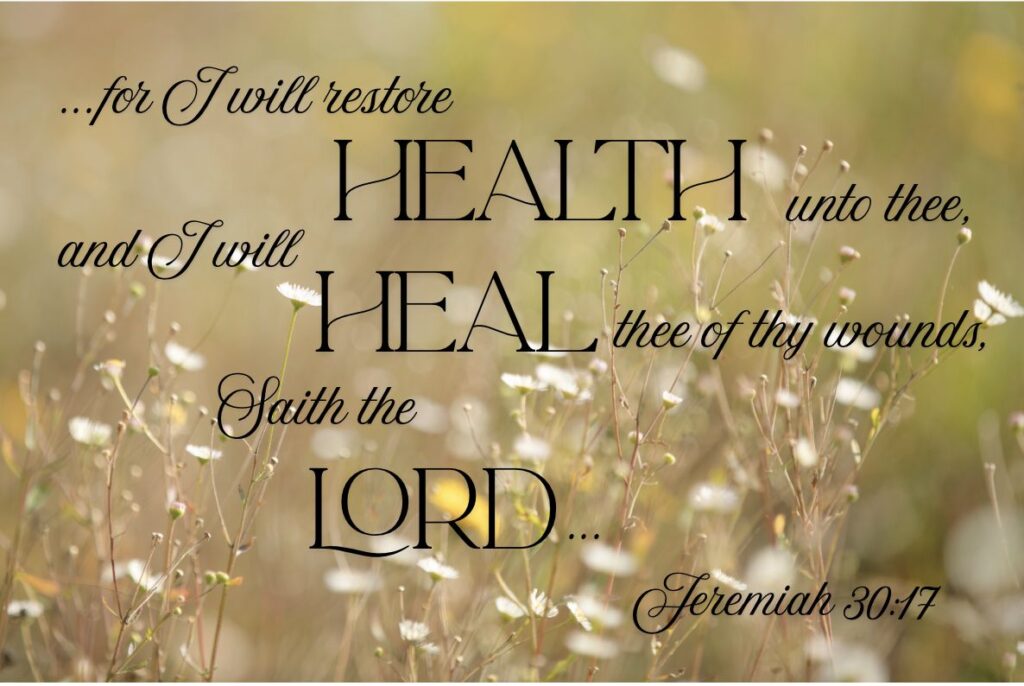
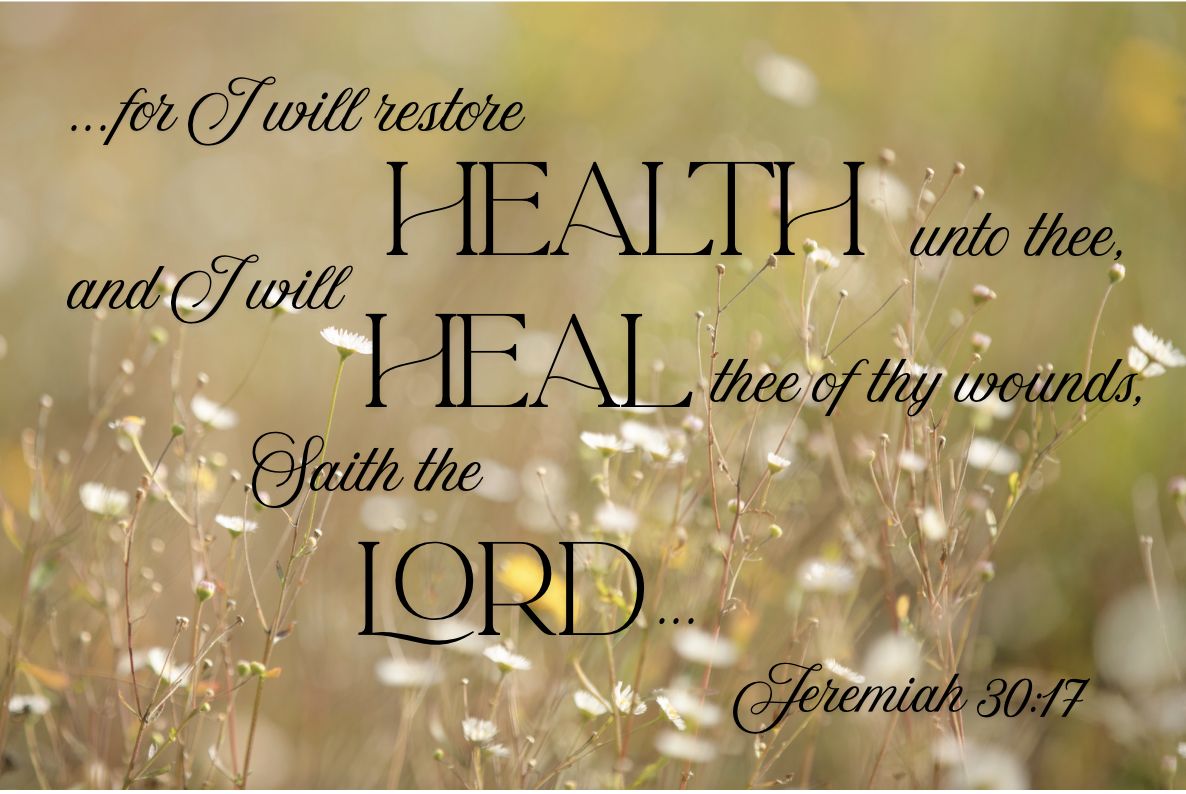
Ultimately, good health is not about achieving a perfect body or a disease-free life. It is about faithful stewardship. As 3 John 1:2 expresses the desire that a person’s health and well-being would flourish, Christians can seek to care for body, mind, and spirit while remembering that their deepest hope rests in God.
Health is a gift, but it is also a responsibility. By applying biblical principles with wisdom, balance, and grace, we can honour God in the way we care for ourselves and others.
“Whether therefore ye eat, or drink, or whatsoever ye do, do all to the glory of God.” – 1 Corinthians 10:31